Read this in: German
Japan has always been a dream destination—beautiful, layered, and deeply cultural. But for a long time, one simple question went unanswered for international travelers:
Where do families actually stay?
As inbound tourism surged, the gap became impossible to ignore. Traditional ryokans felt formal and intimidating for first-time visitors. Business hotels were built for solo travelers, with compact rooms and per-person pricing that made family travel complicated and expensive. For families of four or more, Japan was inspiring—but logistically challenging.
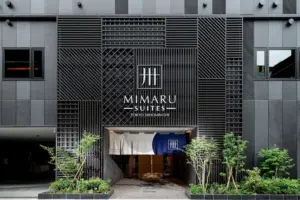
MIMARU saw that gap and decided not to work around it, but to redesign the experience entirely.
Designing Space for Real Travel
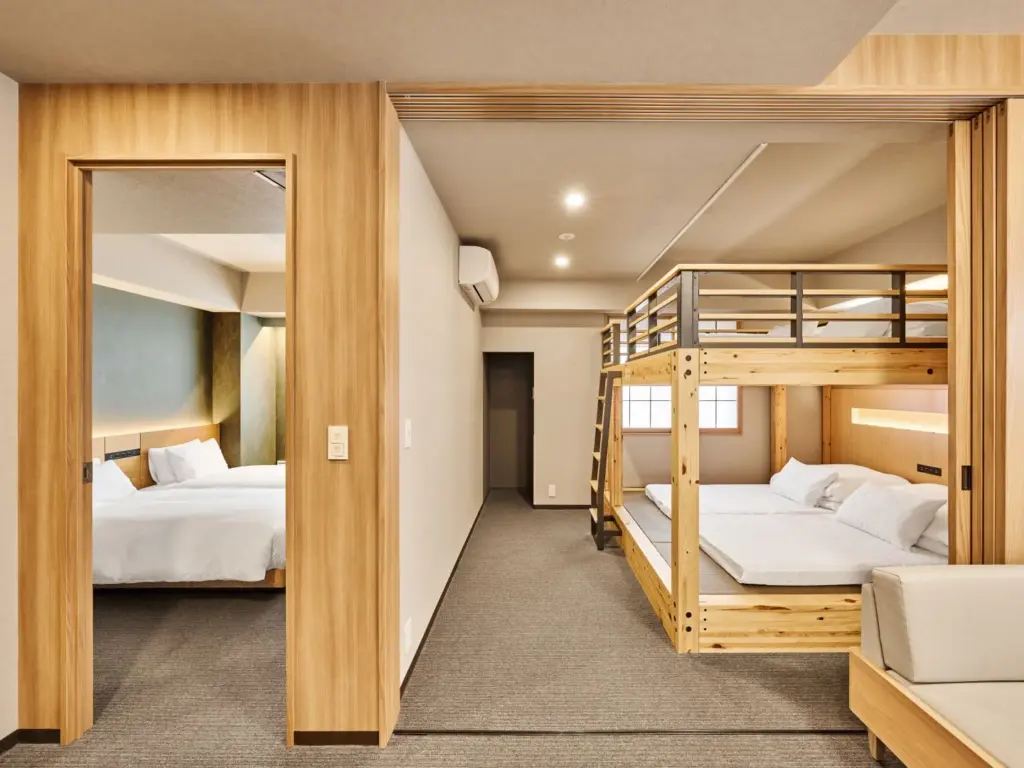 Instead of squeezing guests into smaller rooms, MIMARU did something refreshingly bold: they went bigger. Every room was designed to be over 40 square meters. Kitchens were standard. Laundry facilities were built in. Pricing was per room, not per person.
It sounds obvious—especially if you’ve traveled with kids, luggage, or grandparents—but in Japan, it was quietly radical. And families noticed immediately.
This wasn’t about luxury. It was about comfort, ease, and making travel feel human again.
When Global Perspectives Shape Local Hospitality
The real turning point, though, wasn’t just the rooms—it was the people.
From early on, MIMARU chose to build a truly international team. Today, staff from nearly 40 countries work across their properties. Not as a branding exercise, but as a strategy.
Different cultures communicate differently. Some are direct, others more nuanced. Instead of smoothing those differences away, MIMARU leaned into them—and learned from them.
That mindset led to surprisingly practical innovations. For example: luggage. International families arrive with a lot of it. Traditional hotels weren’t built for that reality. MIMARU’s diverse team spotted the issue early and responded with dedicated luggage storage and same-day airport delivery—now a signature part of the experience.
It’s a reminder that the best travel ideas often come from people who’ve been travelers themselves.
A Workplace That Grows With You
 One of the most compelling parts of MIMARU’s story is how opportunity flows internally.
Take Asami, who returned to Japan after working abroad with a desire to help make Japanese workplaces more inclusive. She joined MIMARU part-time and steadily grew into leadership, eventually becoming a department head in new business development.
Her journey reflects the company’s culture: entrepreneurial, open, and built on trust. Staff aren’t just employees—they’re encouraged to think like owners, problem-solvers, and hosts in the truest sense.
Hospitality That Feels Like Friendship
Traditional Japanese hospitality is known for its precision and formality. MIMARU keeps the care—but softens the rules.
Their philosophy is simple: welcome guests like friends visiting from afar.
They have operational manuals, but no rigid service scripts. Instead, staff are empowered to respond naturally to the people in front of them—whether that means helping book a restaurant, recommending a neighborhood walk, or explaining local customs in a relaxed, friendly way.
Team members explore their own neighborhoods, gather local tips, and feed those insights back into the guest experience. Frontline staff aren’t just delivering service—they’re shaping it.
More Than a Place to Sleep
MIMARU doesn’t see itself as just an accommodation provider. Their bigger goal is removing the small frictions that make travel stressful—especially in a country where language barriers can still be real.
Multilingual staff help guests navigate reservations, transportation, and everyday interactions. And instead of accepting these challenges as “just the way it is,” MIMARU continues to build systems that make Japan feel more accessible, welcoming, and easy to enjoy.
It’s hospitality that extends beyond the hotel doors.
Choosing People Over Automation
While much of the hospitality industry leans into automation and AI, MIMARU has made a conscious choice to protect the warmth of human connection.
Technology plays a role—but it doesn’t replace people. Their vision for the next few years centers on making family travel in Japan feel effortless and reassuring, with staff acting as cultural bridges between guests and the country they’re exploring.
A Quiet Ripple Across the Industry
MIMARU’s impact hasn’t stopped with its own guests.
Other hotels are rethinking room sizes. Multilingual staffing is becoming a priority. The idea that hospitality can be relaxed, personal, and globally minded—without losing Japanese identity—is slowly spreading.
What began as a solution for families has become a gentle challenge to the industry itself.
A Travel Lesson Worth Remembering
At its heart, MIMARU’s story isn’t just about hotels. It’s about leadership, design, and listening carefully to real human needs.
They didn’t choose between local tradition and global perspective. They built something stronger by weaving the two together.
And it all started with one honest question:
Where do families stay?
Today, that question has evolved into something bigger—how to create travel experiences that respect where we come from, while embracing where we’re going.
MIMARU’s answer continues to unfold quietly, thoughtfully, and one family at a time.